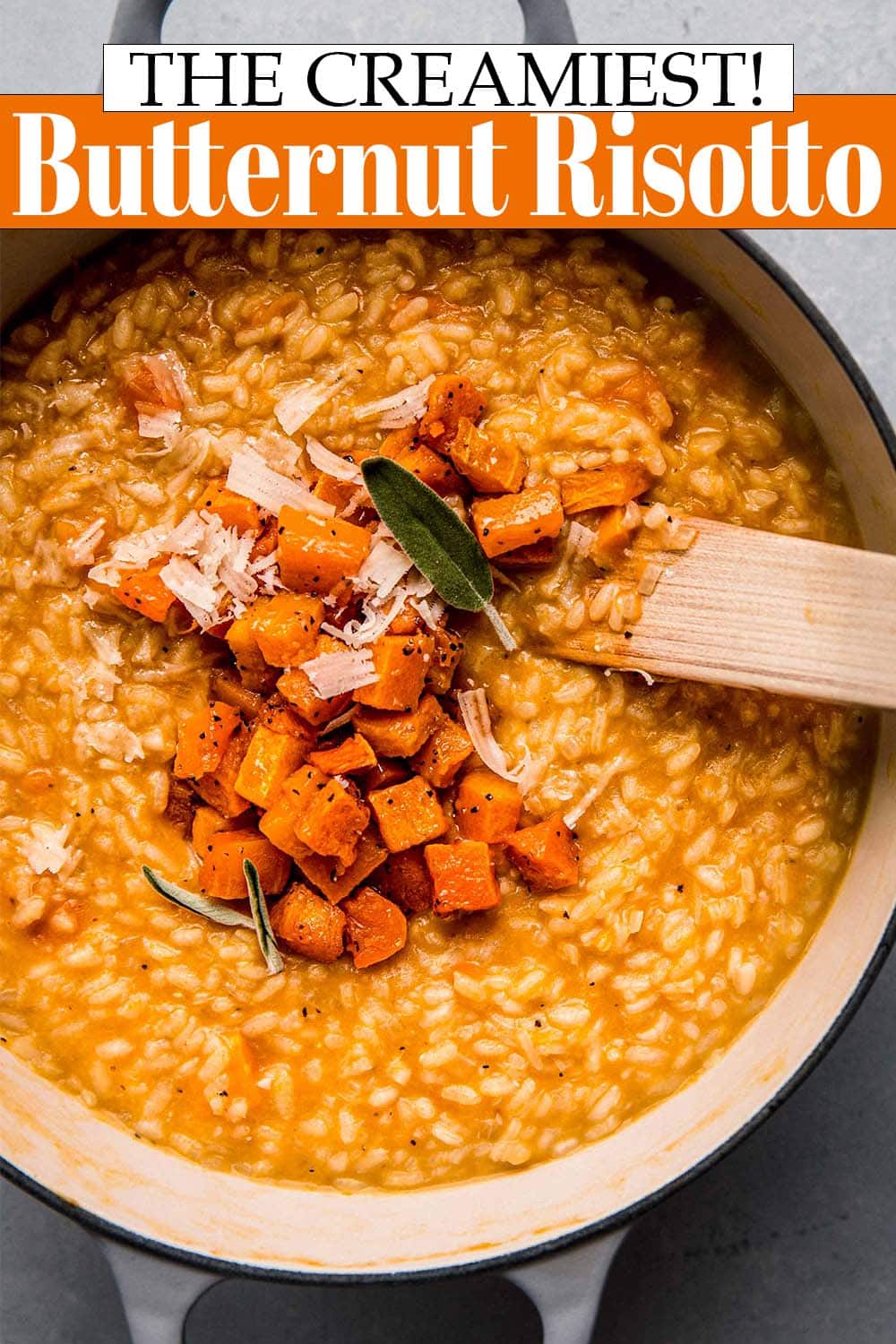
The Best Roasted Butternut Risotto for Cozy Fall Meals
As the crisp autumn air settles in and leaves begin to paint the landscape in hues of gold and crimson, there's an undeniable pull towards warming, comforting dishes. Among them, few capture the essence of the season quite like a rich, creamy butternut risotto. This isn't just any risotto; it's a celebration of fall, a velvety embrace of roasted squash, tender rice, and aromatic herbs that promises pure culinary bliss in every spoonful. Forget any intimidation you might feel about making homemade risotto; this guide will demystify the process and inspire you to create a dish that's both elegantly simple and profoundly satisfying.
Imagine the natural sweetness of caramelized butternut squash mingling with the buttery richness of Arborio rice, infused with fresh sage or thyme, and finished with a generous dusting of Parmesan. It’s a symphony of flavors and textures, a meal that feels both gourmet and deeply comforting, perfect for a cozy weeknight or an elegant gathering. Our approach focuses on roasting the butternut squash to unlock its deepest, most irresistible flavors, setting the stage for a truly unforgettable Easy Butternut Risotto: Gourmet Comfort for Weeknights experience.
Why Roasted Butternut Risotto Reigns Supreme in Fall
Butternut squash, with its distinctive bell shape and vibrant orange flesh, is a superstar of autumn produce. Its inherent buttery, earthy, and slightly nutty flavor profile makes it an ideal companion for a wide range of dishes, from soups and curries to pasta and, of course, creamy risottos. When you introduce the element of roasting, however, something truly magical happens. The high heat of the oven coaxes out the squash's sugars, leading to a beautiful caramelization that intensifies its sweetness and adds a profound depth of flavor.
This caramelized squash then becomes the heart of your butternut risotto. Unlike simply boiling or steaming, roasting concentrates the flavors, creating a more robust and complex base that elevates the entire dish. Combined with the slow-cooked Arborio rice, which releases its starches to create that signature creamy texture, and the aromatic contributions of fresh herbs like sage or thyme, you get a dish that is:
- Unmistakably Seasonal: Perfectly aligned with the flavors of fall and winter.
- Rich and Velvety: A luxurious texture that melts in your mouth.
- Sweet and Savory: A harmonious balance of the squash's natural sweetness and savory elements like Parmesan and herbs.
- Deeply Comforting: The ultimate warm-you-up meal on a chilly evening.
It's this unique combination of roasted squash and classic risotto technique that makes this recipe stand out as Gordon Ramsay's Butternut Risotto: Silky Fall Flavors, truly one of the best ways to enjoy the season's bounty.
Mastering the Art of Butternut Risotto: A Step-by-Step Philosophy
Many home cooks shy away from making risotto, perceiving it as a complex or time-consuming endeavor. While it does require your attention, the process is far from difficult; in fact, it can be quite therapeutic. Standing over a warm stove, slowly stirring a creamy mixture until it reaches perfection, offers a meditative rhythm that many find incredibly relaxing. The reward? A restaurant-quality dish that tastes like pure autumn.
Here’s a breakdown of the key elements and a philosophical approach to crafting your perfect roasted butternut risotto:
1. The Star Ingredient: Perfectly Roasted Butternut Squash
This is where the foundation of flavor is built.
- Preparation: Peel and dice one small butternut squash into ½-inch pieces. Keep them relatively uniform for even cooking.
- Seasoning: Toss the diced squash with a tablespoon of olive oil, a pinch of salt, and freshly ground black pepper. For an extra layer of flavor, consider adding a sprig of fresh thyme or a dash of nutmeg at this stage.
- Roasting: Spread the squash in a single layer on a baking sheet. Roast in a preheated oven at 400°F (200°C) for 20-25 minutes, or until the pieces are tender, slightly browned, and lightly caramelized. This browning is crucial for depth of flavor.
- Partial Mash: Once roasted, set aside about a third of the squash pieces to retain texture in the finished risotto. Mash the remaining two-thirds. This creates a creamy base while allowing for delightful chunks in every bite.
2. Building the Flavor Base: The Soffritto and Aromatics
Every great risotto begins with a flavor-packed base.
- Sautéing Aromatics: In a wide, heavy-bottomed pan or Dutch oven, melt a tablespoon of butter (or a mix of butter and olive oil) over medium heat. Add a finely chopped small onion and sauté until translucent and softened, about 3-4 minutes.
- Herbs and Garlic: Stir in two minced cloves of garlic and about a teaspoon of fresh thyme leaves. Cook for another minute until fragrant, being careful not to burn the garlic. Fresh sage, finely chopped, is also an excellent addition here, especially if you plan to garnish with crispy sage later.
3. The Risotto Method: Patience and Purposeful Stirring
This is the core technique that transforms simple rice into a creamy masterpiece.
- Toast the Rice: Add one cup of Arborio rice (the preferred short-grain rice for risotto due to its high starch content) to the pan. Stir constantly for 1-2 minutes until the edges of the grains become translucent but the center remains opaque. This toasting prevents the rice from getting mushy and helps it absorb liquid more evenly.
- Deglaze with Wine: Pour in ½ cup of dry white wine (such as Pinot Grigio or Sauvignon Blanc). Stir continuously until the wine is fully absorbed by the rice. The wine adds acidity and complexity, lifting the flavors.
- Gradual Stock Addition: This is the hallmark of risotto. Have four cups of good quality vegetable stock heated and kept warm in a separate saucepan. Add one ladleful of warm stock at a time to the rice, stirring constantly. Wait for almost all the liquid to be absorbed before adding the next ladle. This slow, continuous stirring releases the starches from the rice, creating that signature creamy texture. This process will take about 18-20 minutes.
- Al Dente Perfection: The goal is rice that is tender but still has a slight bite or chewiness in the center – what Italians call "al dente." Taste frequently as you near the 18-minute mark.
4. The Grand Finale: Finishing and Flavor Integration
Bringing all the elements together for a luxurious finish.
- Incorporate Squash: Once the rice is al dente, stir in both the mashed butternut squash and the reserved roasted chunks. This ensures both creaminess and delightful textural variation.
- Butter and Parmesan: Remove the pan from the heat. Stir in ½ cup of freshly grated Parmesan cheese and 2 tablespoons of cold butter. The cold butter emulsifies with the rice and cheese, adding an incredible gloss and richness. This is called "mantecare" and is essential for a truly silky finish.
- Season to Taste: Taste and adjust seasoning with salt and pepper as needed. The risotto should be creamy and glossy, easily spreading across the plate but not runny. If it's too thick, add a splash more warm stock.
Elevating Your Butternut Risotto: Tips, Variations, and Pairings
While the classic butternut risotto is sublime, there's always room for personal touches and enhancements.
Customization Ideas:
- Herbs: Experiment with different fresh herbs. Rosemary or even a pinch of dried oregano can add unique notes.
- Spices: A tiny pinch of freshly grated nutmeg can enhance the squash's flavor. A touch of red pepper flakes can add a subtle warmth.
- Protein Boost: For non-vegetarians, crispy pancetta or crumbled Italian sausage can be cooked before the onions, adding a savory depth. For vegetarians, sautéed wild mushrooms can be folded in at the end.
- Cheeses: While Parmesan is traditional, a little Pecorino Romano for a sharper bite or a dollop of mascarpone for extra richness can be delicious.
Serving Suggestions and Pairings:
Serve your roasted butternut risotto immediately, garnished with a few crispy fried sage leaves, extra Parmesan, or a drizzle of high-quality olive oil. The heat of the risotto will continue to cook the rice, so don't let it sit too long.
For a complete meal, pair this rich dish with a simple side salad dressed with a light vinaigrette to cut through the richness. Crusty bread is also wonderful for soaking up any remaining creamy goodness. When it comes to wine, a dry white wine like a crisp Pinot Grigio, an unoaked Chardonnay, or even a light-bodied red like a young Pinot Noir would complement the earthy sweetness of the squash beautifully.
Conclusion
The best roasted butternut risotto is more than just a recipe; it's an experience. It's the comforting aroma that fills your kitchen, the satisfying rhythm of stirring, and ultimately, the exquisite taste of fall on a plate. By embracing the simple techniques and understanding the role of each ingredient, you can create a dish that's rich, creamy, and bursting with seasonal flavor. So, gather your ingredients, take a deep breath, and let the meditative process of making this dreamy risotto transport you to the heart of autumn.
